August 31, 2026
Your HVAC system works throughout the year to keep indoor temperatures comfortable, manage airflow, and support consistent air quality. Because heating and cooling equipment contains many moving parts, electrical components, filters, coils, and controls, small problems can gradually develop into larger issues when they are not addressed. Regular maintenance gives technicians an opportunity to inspect the system, identify early warning signs, and correct minor concerns before they interfere with performance. This can reduce the likelihood of unexpected breakdowns and expensive air conditioner repair. Taking a preventive approach can also help homeowners better understand the condition of their equipment and plan for future service needs.
Inspecting Components Before Problems Grow
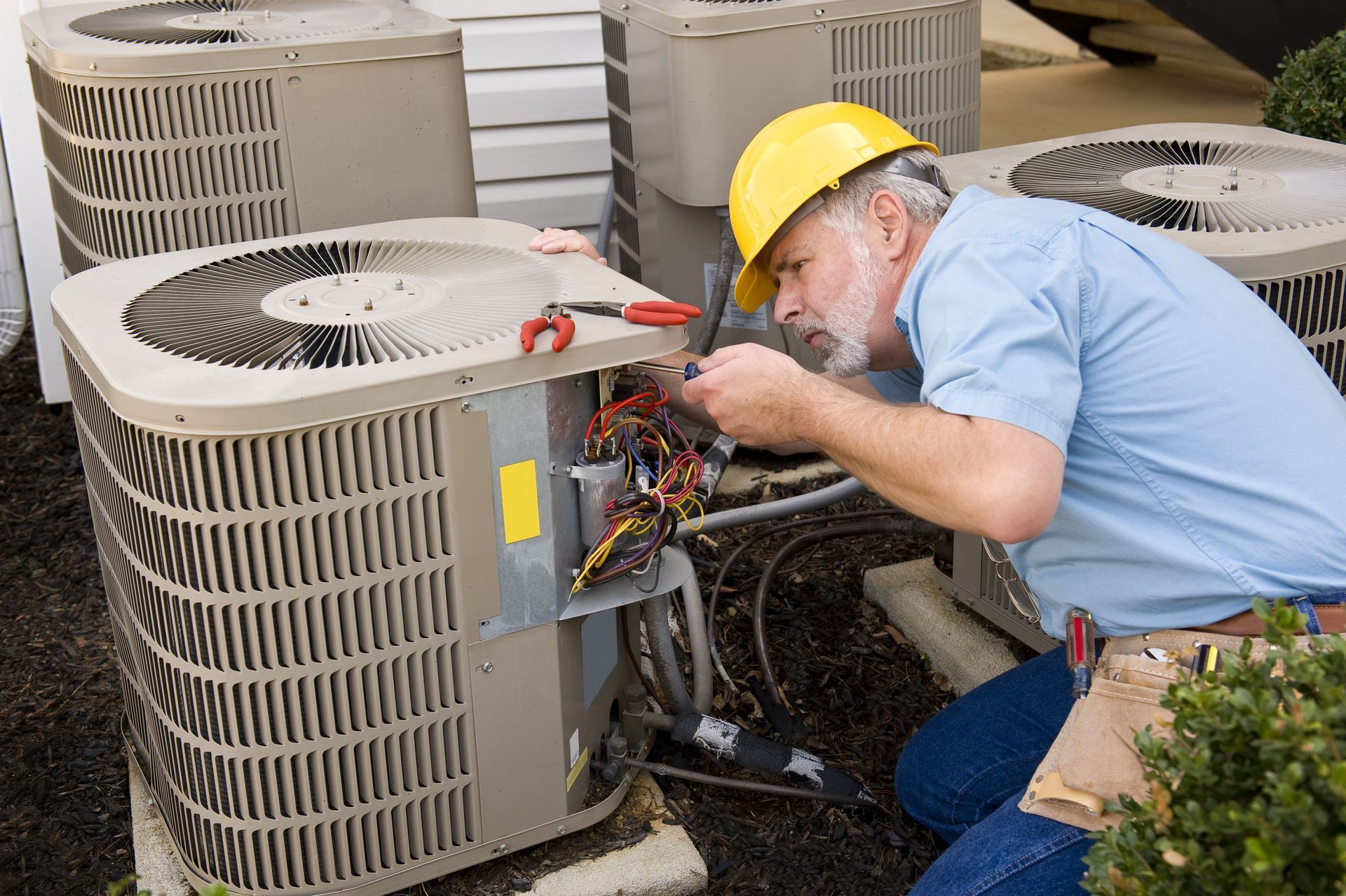
Routine inspections are one of the most important parts of preventive HVAC care. Technicians can examine visible components, electrical connections, wiring, motors, belts, refrigerant lines, drain systems, and other areas that may show signs of wear. Small problems such as loose connections, minor corrosion, or deteriorating parts may not immediately stop the system from operating, but they can place additional strain on surrounding components. Identifying these conditions early can make repairs simpler and less expensive.
According to HomeGuide, you can reduce the risk of costly issues by scheduling a visual HVAC inspection with a technician at least once a year. Annual inspections create an opportunity to compare the system's condition over time and catch changes before they result in a complete failure. When a technician notices a component beginning to wear out, homeowners may be able to schedule service at a convenient time rather than dealing with an urgent air conditioner repair during extreme weather.
Cleaning Components to Maintain Efficient Operation
Dirt, dust, pollen, pet hair, and other debris can gradually collect throughout an HVAC system. Dirty coils, clogged filters, blocked vents, and dusty blower components can restrict airflow and force equipment to work harder than necessary. When airflow is reduced, the system may run longer to reach the thermostat setting, increasing both energy use and mechanical stress. Routine cleaning helps important parts operate under more normal conditions.
Keeping the system clean can also reduce unnecessary strain on motors, fans, and compressors. These components are designed to operate within specific conditions, and excessive buildup can interfere with heat transfer and airflow. Over time, repeated strain may contribute to premature wear and lead to an air conditioner repair that might have been avoided with regular maintenance. Cleaning also gives technicians a clearer view of components so they can spot damage that may otherwise be hidden beneath debris.
Replacing Filters to Protect Airflow
Air filters help capture airborne particles before they circulate through the HVAC system and the rest of the home. As filters collect debris, they gradually become more restrictive. A heavily clogged filter can reduce airflow, make rooms feel less comfortable, and cause the system to operate for longer periods. In severe cases, restricted airflow can contribute to frozen coils, overheating, or other performance problems that place stress on the equipment.
Replacing filters on an appropriate schedule is a relatively simple maintenance task that can protect more expensive components. The ideal replacement frequency depends on the type of filter, household size, pets, indoor air conditions, and how often the HVAC system runs. Homeowners who ignore filter changes may eventually face higher energy costs or an avoidable air conditioner repair. Checking the filter regularly and following manufacturer recommendations can support more dependable system performance.
Checking Refrigerant and Cooling Performance
Air conditioning systems rely on the proper amount of refrigerant to absorb heat from indoor air and release it outside. If refrigerant levels are too low because of a leak or another problem, the system may struggle to cool effectively. Signs can include longer cooling cycles, warm air from vents, ice on refrigerant lines, or rising energy bills. Regular maintenance allows technicians to evaluate cooling performance and look for conditions that suggest a refrigerant issue.
Running a system with an unresolved refrigerant problem can place additional strain on the compressor, one of the more expensive components in an air conditioner. Addressing a leak or performance issue early may prevent more extensive damage and reduce the likelihood of a major air conditioner repair. Technicians can also check temperature differences and system pressures to determine whether the equipment is operating within an appropriate range.
Clearing Drainage Systems to Prevent Water Damage
Air conditioning systems remove moisture from indoor air as part of the cooling process. That moisture typically collects and drains away through a condensate line. Dirt, algae, dust, or other debris can clog the drain and cause water to back up. Depending on the system's location, an overflowing drain can damage ceilings, walls, flooring, insulation, or nearby equipment. Moisture can also contribute to unwanted odors or biological growth.
Routine maintenance often includes checking and clearing the condensate drainage system. Catching a partial blockage before it becomes a complete clog can help protect both the HVAC equipment and the surrounding property. Technicians may also inspect drain pans for cracks, rust, or standing water. Addressing drainage concerns early can prevent a relatively small maintenance issue from turning into both water damage and an unexpected air conditioner repair.
Testing Controls to Prevent System Strain
Thermostats, sensors, relays, capacitors, contactors, and other controls help an HVAC system start, stop, and regulate indoor temperature. When one of these components begins to fail, the system may cycle too frequently, run longer than necessary, or fail to start correctly. These symptoms can place extra stress on motors and compressors while also making the home less comfortable. Routine maintenance gives technicians an opportunity to test how the controls respond.
Correcting small control issues early can help prevent more extensive mechanical damage. For example, a failing capacitor may place additional stress on a motor, while an inaccurate thermostat can cause excessive system operation. Addressing these problems before other parts are affected may reduce the need for an expensive air conditioner repair. Testing controls can also help confirm that the system is responding properly to temperature settings and safety features.
Scheduling Maintenance to Reduce Emergency Breakdowns
HVAC systems often experience their greatest workload during periods of extreme heat or cold. Unfortunately, this is also when a neglected component is most likely to fail. A system that appears to operate adequately during mild weather may struggle when it must run continuously. Scheduling maintenance before peak heating or cooling seasons gives technicians an opportunity to identify weaknesses before the equipment is placed under maximum demand.
Preventive service can also reduce the inconvenience associated with emergency breakdowns. Homeowners may have more flexibility when scheduling routine maintenance than they would when trying to arrange urgent service during a heat wave. A planned inspection can reveal worn parts, airflow problems, drainage concerns, or control issues while there is still time to address them. This approach can reduce the risk of being left without cooling and needing immediate air conditioner repair at the least convenient time.
Regular HVAC maintenance can help prevent costly problems by identifying wear early, keeping components clean, protecting airflow, checking refrigerant performance, maintaining drainage systems, testing controls, and preparing equipment for periods of heavy use. Preventive care cannot eliminate every possible breakdown, but it can reduce unnecessary strain and make developing problems easier to address before they become severe. It can also help homeowners plan repairs more effectively and support dependable heating and cooling throughout the year. By making routine inspections and maintenance part of your home care schedule, you can reduce the likelihood of unexpected failures and improve the long-term performance of your system. To schedule professional HVAC maintenance or discuss your home's heating and cooling needs, contact Next Generation Heating and Cooling today.