October 29, 2026
Maintaining heating and cooling systems throughout every season remains essential for keeping homes and commercial spaces consistently comfortable. Mechanical equipment experiences continuous wear as outdoor temperatures shift from intense summer heat to freezing winter conditions. Routine preventive care prevents unexpected breakdowns, sustains steady energy efficiency, and safeguards indoor comfort across unpredictable climates. Without regular checkups, minor mechanical wear turns into severe component damage that interrupts daily routines. Proactive attention keeps cooling and heating units running smoothly so property owners avoid sudden equipment failures and inconvenient air conditioner repairs during intense summer weather. Consistent care also ensures that equipment functions reliably during unexpected heat spikes or cold snaps.
Preventive care provides steady environmental stability and protects property investments from sudden mechanical disasters. Scheduled checkups ensure system components operate under proper electrical loads, balanced airflow, and appropriate refrigerant levels. This consistent upkeep preserves equipment integrity across months of demanding operation, reducing operational strain on sensitive parts. Investing time in routine system care keeps indoor spaces pleasant while minimizing mechanical stress on critical machinery throughout the entire year. Regular inspections help detect loose hardware, minor friction, and worn electrical contacts before small faults develop into disruptive heating or cooling outages.
Enhance Efficiency and Performance
Consistent maintenance keeps heating and cooling systems operating at peak performance by clearing airflow obstructions and reducing mechanical strain. When blowers and evaporator coils collect dust, equipment must run longer cycles to reach target temperatures. Technicians clean internal coils, align fan blades, inspect blower motors, and clear blockages to optimize heat exchange across all mechanical components. Proper airflow prevents heating units and cooling equipment from drawing excess power during severe seasonal temperature spikes, protecting internal motors from premature failure and preserving steady airflow.
System calibration also plays a significant role in sustaining peak operational performance across seasonal weather transitions. Technicians calibrate standard thermostats, inspect duct dampers, and adjust fan speeds to deliver balanced temperatures throughout every room. Balanced air distribution prevents cold spots and localized overheating that place unnecessary strain on main blowers and distribution plenums. When temperature controls provide accurate readings, equipment avoids erratic cycling that often triggers preventable air conditioner repairs.
Improve Airflow and Quality
Indoor air quality depends directly on the cleanliness and mechanical condition of heating and ventilation equipment. Over months of steady operation, ductwork collects dust, pet dander, and airborne debris that circulate throughout living areas. Professional duct cleaning removes these contaminants and eliminates obstructions that restrict balanced airflow through supply vents. Clean duct networks allow blowers to push conditioned air freely, relieving static pressure that would otherwise accelerate mechanical wear across system blowers and evaporator coils.
Routine filter changes and air filtration system inspections also protect indoor environments from airborne irritants. Whole-house air filtration units, dehumidifiers, and humidifiers work alongside ventilation systems to regulate interior moisture levels and capture particulate matter. Managing indoor humidity prevents mold development inside air handlers, which protects building infrastructure and eliminates persistent musty odors. Maintaining pristine air filtration components also reduces strain on internal cooling coils, sparing property owners from premature air conditioner repairs.
Prevent Breakdowns and Damage
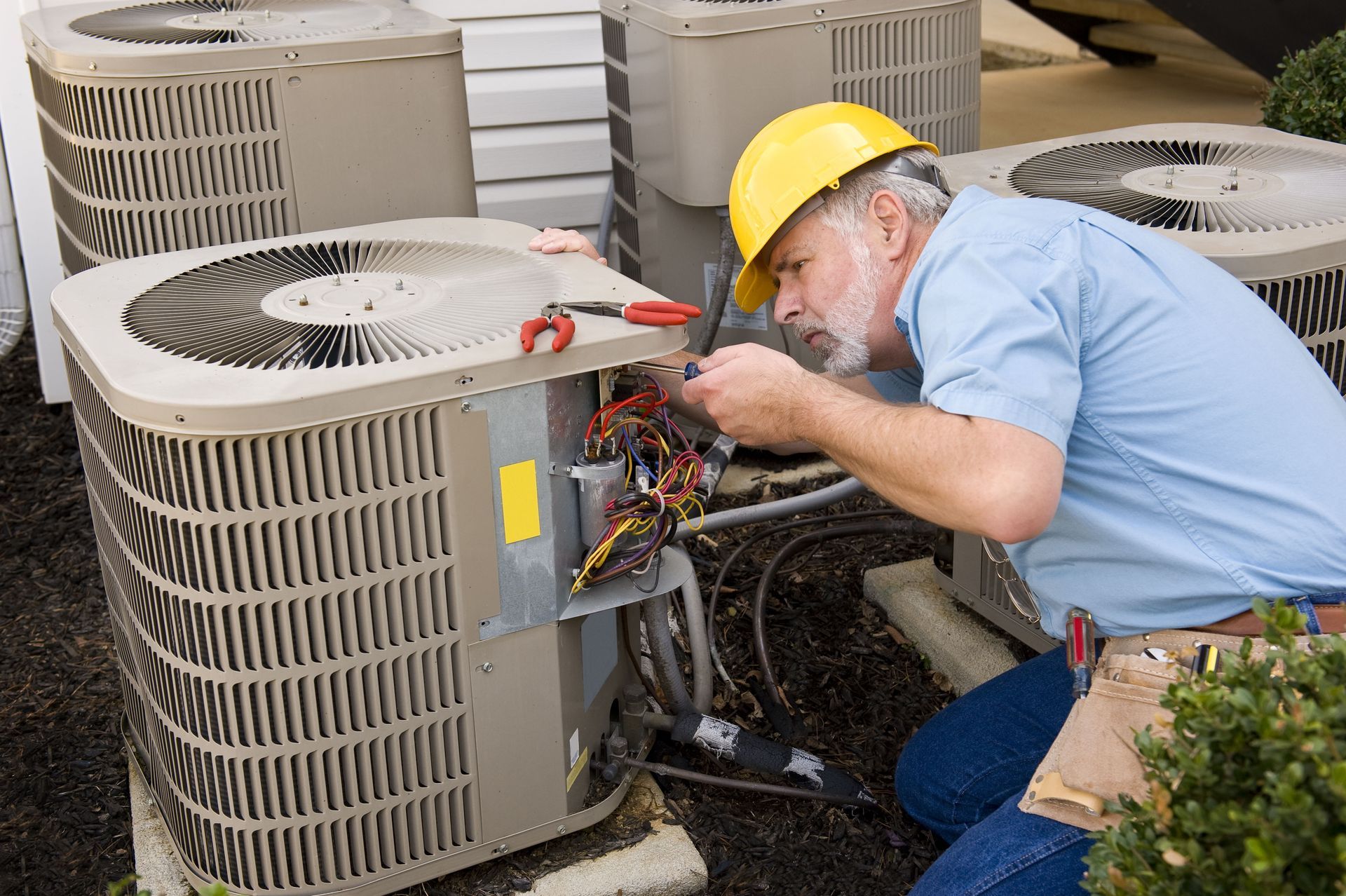
Routine diagnostic inspections allow technicians to identify minor mechanical flaws before they escalate into major equipment failures. Technicians inspect electrical connections, lubricate moving parts, examine blower belts, and measure operational voltages during scheduled service appointments. Correcting loose wiring or dry bearings early prevents sudden motor failures during peak cooling months. Addressing minor friction issues eliminates excessive heat buildup that frequently leads to expensive air conditioner repairs.
Protecting major mechanical components preserves entire heating and cooling systems from catastrophic structural damage. Compressors, heat exchangers, and condenser fan motors require precise operating conditions to function without failing. When worn capacitors or clogged drainage lines receive timely corrections, surrounding parts remain safe from secondary damage. Manufacturer warranties also require documented proof of seasonal maintenance to validate repair coverage. According to Home Advisor, replacing aging heating and cooling equipment often makes better economic sense than paying for major repairs once a unit passes 15 years of operation. Consistent professional care preserves existing warranty protections while preventing catastrophic system breakdowns.
Extend Lifespan and Reliability
Targeted maintenance protocols extend equipment operating life by slowing normal mechanical degradation across demanding seasons. Technicians follow manufacturer maintenance guidelines to inspect heat pumps, furnaces, and condenser units under specific operational tolerances. Lubricating motor bearings, verifying refrigerant charges, and cleaning burner assemblies allow complex machinery to run smoothly year after year. Steady attention to operational health postpones major capital investments required for full equipment replacements, maximizing the functional value of mechanical assets.
Comprehensive service records provide property owners with detailed insight into long-term equipment health. Documenting seasonal adjustments, component replacements, and performance readings enables technicians to spot evolving issues before severe damage develops. This historical tracking helps homeowners schedule necessary adjustments rather than reacting to emergency equipment failures. Proactive component care prevents thermal stress on compressors, effectively eliminating the mechanical friction that necessitates emergency air conditioner repairs.
Ensure Safety and Compliance
Safety inspections form an indispensable part of routine heating and cooling checkups for residential and commercial properties. Technicians perform carbon monoxide testing on furnace flues and heat exchangers to detect hairline cracks that could leak toxic fumes into occupied spaces. Checking electrical panels, wiring insulation, and safety shutoff switches prevents fire hazards caused by loose terminals or short circuits. Thorough safety checks ensure that systems comply with local building regulations and municipal safety codes.
Proper safety inspections also protect building occupants from hidden structural hazards related to drainage and combustion. Technicians clear condensate drain lines to prevent overflow leaks that can damage ceilings and cause hazardous electrical shorts. Testing exhaust draft pressures guarantees that combustion gases exit the property safely during the winter heating cycle. Verifying every safety control protects property owners from operational dangers while reducing sudden mechanical disruptions that require urgent air conditioner repairs.
Promote Conservation and Sustainability
Preventive HVAC maintenance supports environmental sustainability by minimizing unnecessary energy waste across every operating cycle. Clean coils, optimized blowers, and balanced airflow allow systems to achieve desired temperatures using significantly less electricity. Reducing overall power demand lowers greenhouse gas emissions associated with electricity generation. Consistent system maintenance aligns property operations with responsible environmental practices while keeping cooling and heating functions dependable.
Sustainable maintenance also emphasizes equipment conservation through timely component restoration rather than premature disposal. Certified technicians manage modern refrigerants responsibly, testing for tiny line leaks to prevent refrigerant discharge into the atmosphere. Restoring worn mechanical parts extends the functional lifecycle of heating units and cooling systems, reducing industrial metal waste. Prioritizing scheduled inspections keeps mechanical parts running efficiently and decreases the frequency of emergency air conditioner repairs.
Regular preventive HVAC maintenance remains essential for preserving indoor comfort, mechanical safety, and system longevity throughout the year. Routine inspections protect critical components, improve indoor air quality, and keep energy consumption under control during extreme weather conditions. Taking proactive care of heating, ventilation, and cooling systems protects your property against sudden breakdowns and saves considerable operational trouble over time.
Sustained system care preserves household peace of mind by ensuring that climate control equipment remains dependable through every weather challenge. Investing in scheduled checkups guards against premature system failure while supporting a healthier living environment for family members and guests. We invite you to contact our team at Next Generation Heating and Cooling today to schedule your comprehensive seasonal maintenance and protect your indoor comfort.